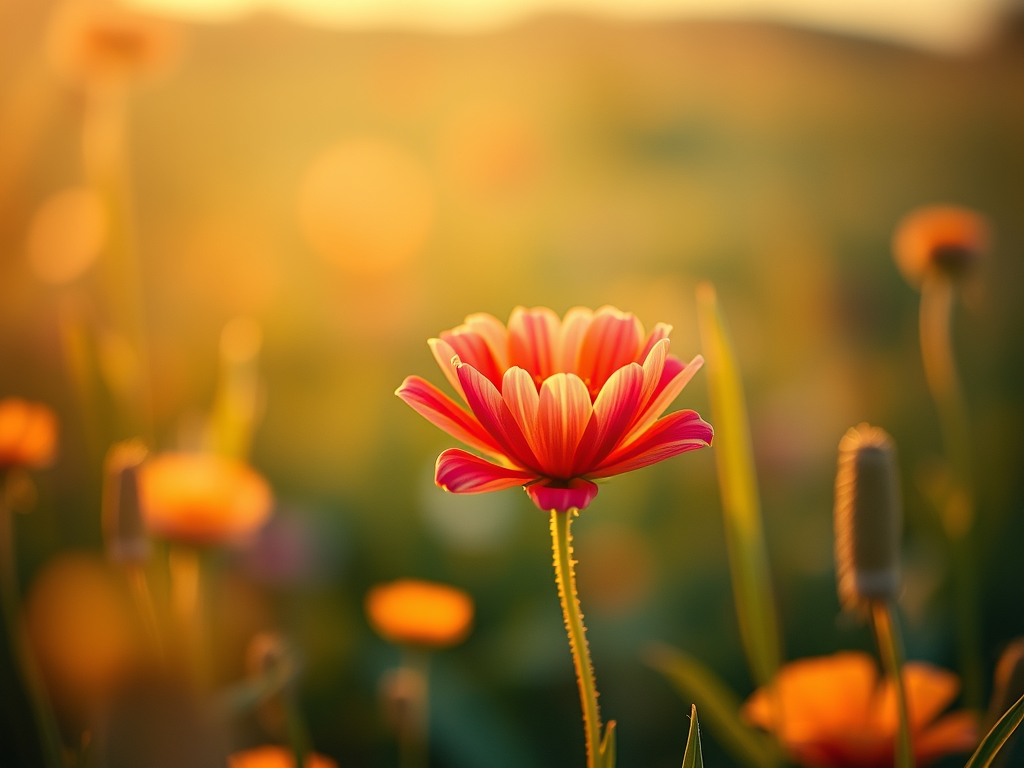
I recall when I looked through a camera lens for the first time. I could focus on a flower in the field, so that anything in front or behind it would stay blurred. The sharp image, separated from the background, was even more exciting that the same flower as seen with the naked eye, where everything was sharp: the flower, the surrounding bushes and the entire field. That is how I learned,
many years before I became fascinated by art galleries and movie theatres, that the world, when painted or seen through the lens, can be more powerful than reality. Painting and cinema are the most significant art forms for me, and this why I based [Ruben Brandt, Collector] on them.—Milorad Krstić
It’s not only when painted or seen through the lens that the world can be more powerful than reality. A writer has no glass lens or paintbrush in between them and the world: they have a pen or a keyboard. It is a writer’s job to make their words more powerful than reality.
It’s what we want to do when we read: to be transported to another reality. Perhaps it’s a “reality” set in space, or in a land or orcs and beasts, or a world of magic and unicorns and wizards. Maybe it has superheroes or chainsaw murders. Whatever it is, it needs to be more powerful than the mundane reality we get our feet muddy with every day.
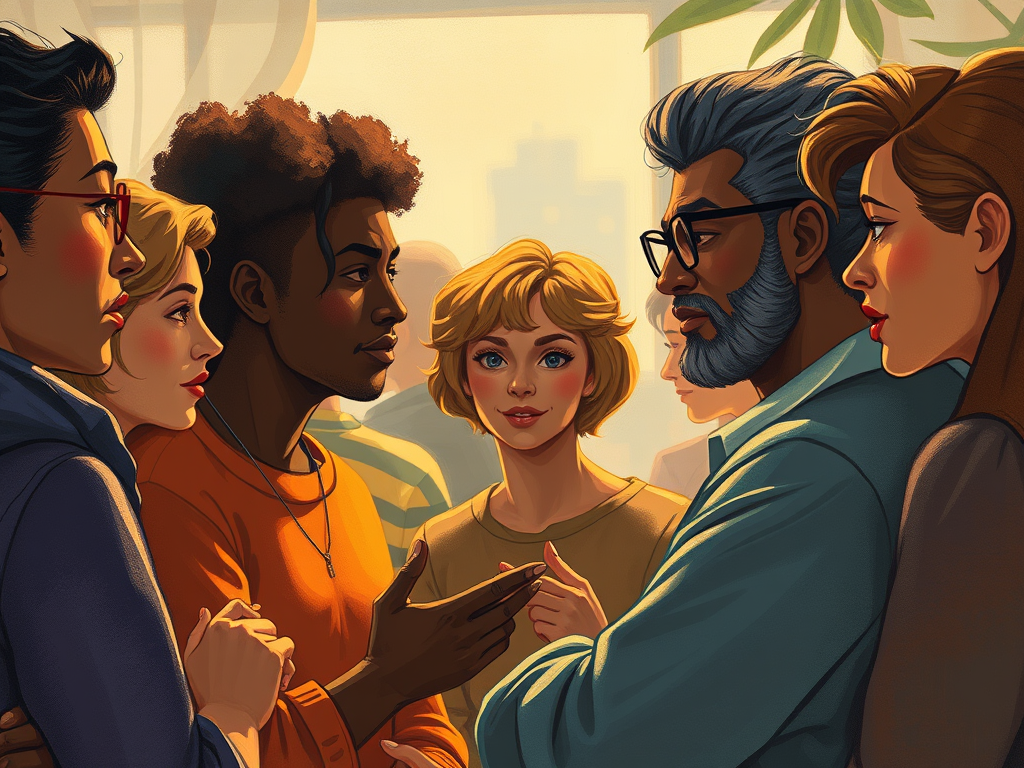
Where you choose to focus the lens of your words is what determines what world you create. It’s a personal choice and it’s what makes you you. My own choice—and it’s not one I can make for you any more than you could make it for me—is to sink myself into a world that’s simply this reality, only better. It’s filled with characters that are funnier than I am, or smarter, or richer, and they’re all harder working than I am. When I sit down at the keyboard, it’s like I’m on an evening out with half a dozen other people and I’m the least interesting person in the group. I like being out with these people because they don’t judge me for holding them back.
This makes every writing session a night out on the town that I don’t want to end. However you choose to do it, if that’s how you feel when you write, then that’s how your reader will feel. That’s how they should feel—like they’re in a world more powerful than reality.
Last week: Barbara Kingsolver’s excess of story.
Next week: Christopher Jones and art as a flawed object.
See the index for what’s been posted and what’s to come.

I'd love to hear from you!