NaNoWriMo Day 18
There are days when you might hate what you’ve written, but you love your life because you’re able to make your own world.
—Nelson DeMille
You’re in the mushy middle now. Maybe it’s clicked for you; I certainly hope it has, because that’s what makes writing so fun. You’re always a tourist in your own land, a land that you create and that creates you as you both make your way through the novel. In some ways, participating in NaNoWriMo is like buying a plane ticket to a city that hasn’t been built yet: it’s going to be created as you fly from November 1 to November 30.
But if it hasn’t, that’s okay. You’re only in the middle of the month. You have time, and you’re far from the first person to have felt a little discouraged at this time in the month-long slog. You may have two main kinds of problems at this point:
- There are too many things going on at once and you don’t know how to tie them all together
- It just doesn’t seem to be going anywhere
Although they may seem complete opposites, a solution to both of them might be the same: wander.
In the first case, take one of the pieces of spaghetti that passes for a thread in your story and wander down it for a while. Don’t try to think about how it’s going to tie together with something else further on. Just follow it for a while and see where it goes. Maybe the reason you’re not sure about it is because you’ve been keeping too tight a grip on it, saving it for the end of its arc. Let it do some wandering of its own—straightening out paths is something for revision.
Maybe it’s because it really isn’t going anywhere. That’s okay; it happens. Stories outgrow things. Maybe it’s a neat story but it’s not this book’s story. Snip it and plop it into the file you’ve created just for things that don’t fit but you don’t want to forget. (I call my file of ideas the “slush pile.” It used to just be “x” as in “the x file” until it started getting so unwieldy that I separated out my notes, quotes, research, and so on into their own files. You can call it whatever you want, as long as you have one, because if you do, you’ll be less hesitant about surgically excising the things that shouldn’t be there. You’ll be amazed how rarely they get put back in, but, psychologically, having the option to makes a huge difference.)
Good work is never wasted, even if it’s never used. Michael Jordan would never have considered all those nice shots he made alone on the practice floor as wasted: they were just waiting their place on national TV. You may have just sunk a nice shot in the gym that no one will see. Maybe never, maybe it won’t be until it pops up somewhere else. If it’s good, it will show up again, and when it does, it will probably be wearing nicer clothes.
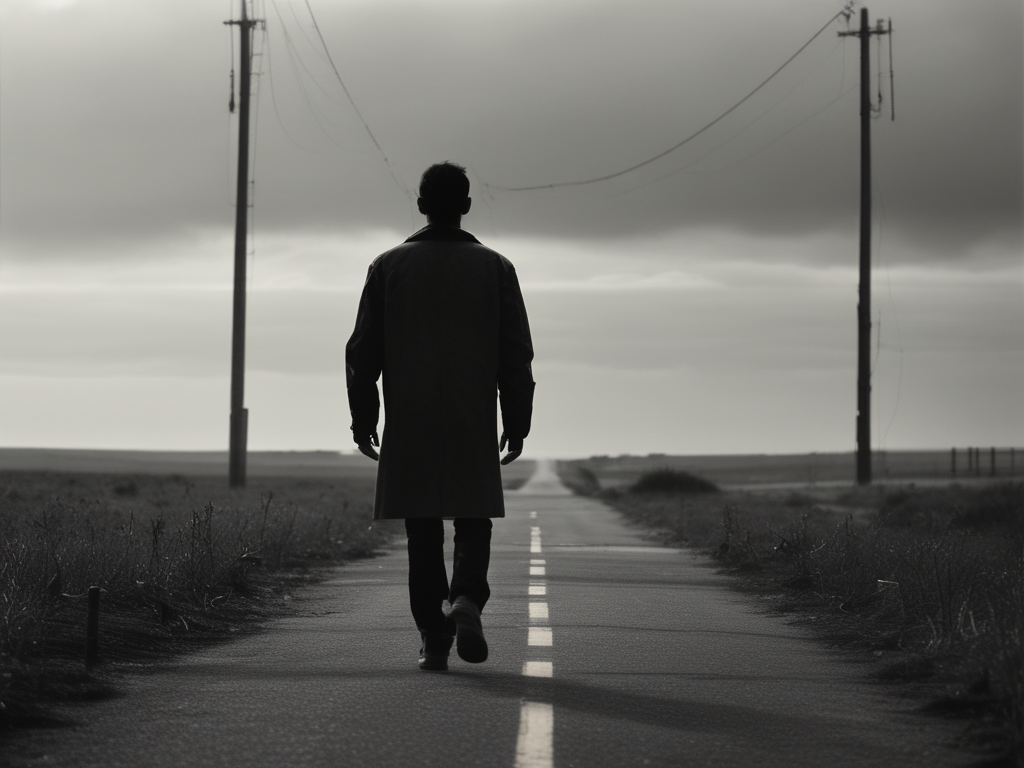
If the problem is that the whole story doesn’t seem to be going anywhere, then you need to physically wander. Go to a park or take a walk around a lake. Go anywhere that’s not too stimulating. You need to give your brain a place of its own to wander. This means no cell phone. Absolutely no cell phone.
Don’t be one of those people walking around not looking where they’re going because somehow they think they’re taking a walk when all they’re doing is using their cell phone while their feet are moving. Don’t even use, “I’m only going to jot down a note for the story to work on later” as an excuse to break it out. If it’s that good of an idea, you’ll remember it when you’re writing again. Just let your brain chew on the story in its own way for a while. You won’t see it work, you won’t hear it working, but your story will look different when you sit back down at the keyboard.
This isn’t some woo-woo new age nonsense to use magic to fix things. It’s simple psychology. When you’re actively working on the story, your brain is being pulled along on a leash. It only goes as far as the leash will let it. If you take a walk and let it roam the woods where it will, it will reshape things as it sees fit. It can only do this if you don’t try to multitask: you walking and letting your brain work on the story is all the multitasking you need to do. You’ve created a world and your brain instinctively wants to explore that world. It’s what makes us human. It’s built into us, and it operates on a level deeper than you appreciate until you’ve seen the results of its work.
If you’re starting to feel overwhelmed by the parts of your story, that’s a good thing. The wandering part is one of the most delightful and enjoyable parts of writing a novel if you let it be. One of my favorite parts about November is sitting down at the keyboard and having it tell me a story.
If you’ve gotten to the point where you’re feeling lost, it means you’ve made great progress because you’ve started to create a world that’s so big you’re having a hard time holding it all inside you. You’ve started to create a world your mind wants to understand and live in, and someday others might want to, too. Great job!


I’d love to hear from you!