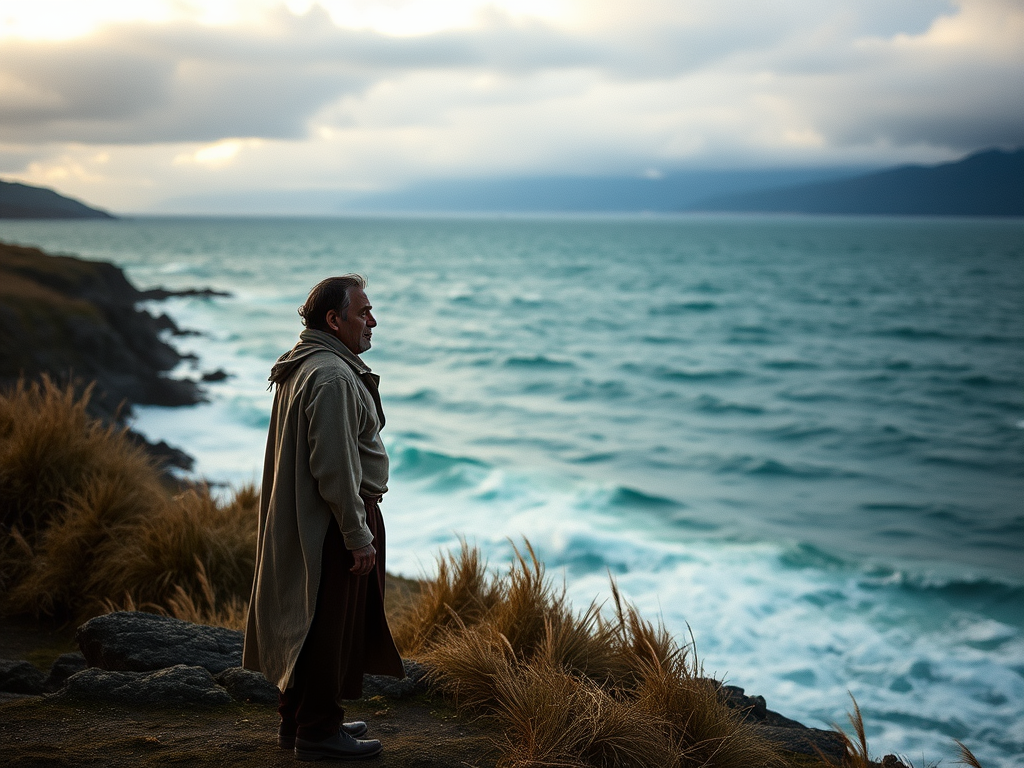
Poem 11 from Then Come Back: The Lost Neruda:
If they put
a boat
near a Chileno,
he jumps in,
he exiles himself
and is lost.
The rich man
heads to Vesuvius,
and won't face
the maternal
heights, the high
Andean flame,
he flies to Broadway,
to the Mayo Clinic,
to the Moulin Rouge,
the poor
Chileno, with his only
shoes
crosses into Neuquén, the
forsaken territories of Patagonia,
he hikes the lunary
shorelines of Peru,
he sets his hunger down
in Colombia,
migrates as he can,
changing stars like shirts,
the Chilena
is a crazy woman
with mutinous eyes,
an amiable heart, sky-blue skin
or he's the traveling salesman
with his wine, guitars,
water pipes
or he could be the sailor
who gets married
in Veracruz and never comes back
to his island,
to his fragrant oceanic Chiloé.
I love the idea that Neruda presents here where ironically, it is the poor Chileno who ends up experiencing more of the world than the rich one. The one with money treads the same worn-out land that all the other rich people do, whereas “the poor / Chileno, with his only / shoes / crosses into Neuquén, the / forsaken territories of Patagonia, / he hikes the lunary / shorelines of Peru, / he sets his hunger down / in Colombia, / migrates as he can, / changing stars like shirts.”
While Pablo Neruda was many things, he was no Buddhist. Nonetheless, in this poem he lays out the Buddhist idea that freedom comes from lack of attachments. When we have nothing, we have nothing tying us down. Think of what opportunity lies in that. In this poem, the poor Chileno makes the most of it as he changes stars like shirts.
Think about all the well-worn ruts of thought we live our lives within. Some of them are useful shortcuts. Others worked once, but lost their purpose long ago. And others keep us trapped in one country in the globe of our mind, weighted down, sinking boats before they reach our psychic shorelines. Keeping us from changing stars at all.

I’d love to hear from you!