
NaNoWriMo Day 11
You never learn how to write a novel. You just learn how to write the novel that you’re writing.
—Gene Wolfe
The only way to find out how true this is is to write two novels. The only way to write two novels is to have written the first one. You’ll learn what that novel is about when it’s done. It’s the one you’re writing in November.
If you’re a week and a half in and it still feels like you don’t know what you’re doing, that’s okay. No one does. You’re not just learning how to write a novel, you’re learning how to write this novel. You’re barely past your first week on the job. Think about how bad you were at your job the first week and how good you are now. You learned it, you’ll learn this.
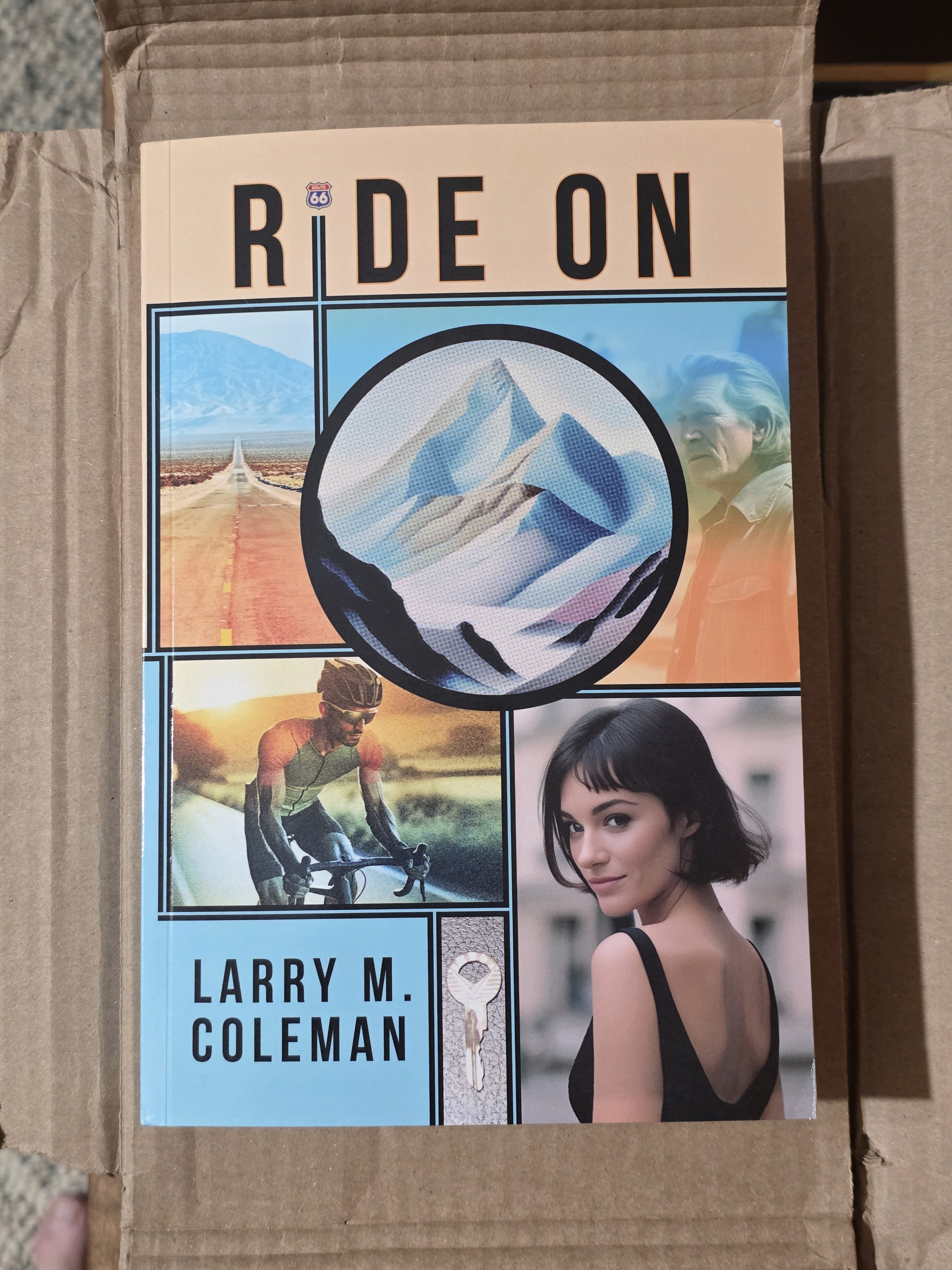
Greg LeMond, the famous pro cyclist who won the Tour de France three times, once said, “It never gets easier, you just go faster.” The same thing is true of writing novels. Writing the one you’re working on gets a little easier as you do it, but once it’s time to start a new one, you’re right back in the same learning curve.
After I’d written my own manuscript, I also found myself able to appreciate my favorite books on a different level. I stopped taking the text for granted and began noticing a host of crafty details and well-concealed seams. To really get behind the scenes and understand the books you love, it helps to write one yourself. Creating my own manuscript also opened my mind to the joys of genres I’d never read before, as I became curious about the way different kinds of books are put together.
And, finally, the more I wrote, the better my writing became. I now see each of the first drafts I’ve written as a thirty-day scholarship to the most exclusive, important writing academy in the world. If there’s one thing successful novelists agree on, it’s this: The single best thing you can do to improve your writing is to write. Copiously.
—Chris Baty, No Plot? No Problem!
To me, it never gets easier because the better you get, the more you have to consider. You learn not just how to see things in other books (which is reward enough in its own right) but how to see how your book is working and how to make it better. Sometimes it might take you a little longer to craft a sentence because you’ll have developed an intuition that tells you that the sentence is good, but there’s something about it that could be better. Other times, maybe it’s the structure of an entire paragraph or page that would have passed you by unnoticed before.
At times, this makes it feel like you’re not getting any better because, ironically, the more you can see into your writing, the more there is to see. It’s actually a perfect example of the Dunning-Kruger effect in action: as you get better, you lose the cocky confidence of the clueless. You’re learning how to judge your own work as you write.
So keep up the writing. You’ve got 11 days more experience now than you had at the beginning of the month, and every day, you tuck another 1667 words of experience into the bag of training. Enjoy the journey!


I’d love to hear from you!